Design Framework
This PhD explores how UX design can drive innovation in critical aerospace systems.
YEAR
COMPANY
2025
Academic researcher
Product owner of the use-case
Lead design for the use-case
MY ROLE
My Ph.D thesis
The User Experience (UX) Design approach in the industrial design of innovative technologies for aeronautics: autonomy, connectivity, and collaboration.
Today, the aeronautical industry is at the heart of societal, technological and environmental upheavals. These changes are leading the industry to rethink design, development and certification of their products and systems in order to project themselves into the transformations concerning the mobility of tomorrow.
The major challenges for this industry are to create mobility solutions safe, competitive, with low environmental impact and ever more comfortable for users.
Tomorrow's mobility is taking shape with the advent of autonomy, seamless connectivity and collaboration between different systems and humans. Those products are found in cockpits (flight decks and displays), in the passenger space (Inflight Entertainment), on the aircraft (sensors, etc.), on the ground (servers, command stations, etc.).
These new technologies question the societal, ethical and practical approach to designing for humans in this new ecosystem.
In this context, the major aeronautical groups are reorganizing their way of innovating, taking inspiration from the models used in other sectors of activity that have already taken the path of User Experience (UX) design. UX is a transdisciplinary, versatile and evolving design and research methodology. It seeks to fill the gaps in other design methods, particularly those that focus the designer's interventions on the interactions between users and their artifacts (e.g., products, services and systems), by focusing on its stakeholder network instead.
This thesis allow the introduction of the designer's methods and skills within aeronautical design teams in collaborative and connected avionic systems, and to test their impacts and viability on use-cases related to projects concerning the mobility of tomorrow.
Abstract

What is a critical and complex product ?
Dramatic consequences
Failure can lead to serious outcomes:
Loss of life (e.g. in aerospace, medical, defense), major economic damage, environmental harm, or disruption of essential operations.
Unpredictable operating environments
These systems must perform reliably in dynamic, uncertain, and sometimes hostile conditions (e.g. flight, space, combat zones).
Long life cycle
Takes years to develop and must remain operational for up to 25 years.
Requires long-term robustness, adaptability to technological evolutions, and sustainable upgradeability, beyond short-lived tech trends.
Technological challenges
Involves cutting-edge technologies that are complex to develop, integrate, and maintain under strict performance and safety constraints.
Highly regulated and certified
Subject to rigorous standards and certification processes to ensure safety, compliance, and reliability throughout the product lifecycle.
Multiple stakeholders
Requires collaboration across disciplines: engineers, users, operators, tech leads, regulators, and certification bodies often across long development timelines.
Can we innovate in a critical context?
In critical systems, innovation is needed but uncertainty is feared.
The stakes are high, the risks are real, and change must be controlled.
It appears that innovation leads to a non-programmable and therefore uncertain result.
Innovation and uncertainty are two closely related concepts.
“
”
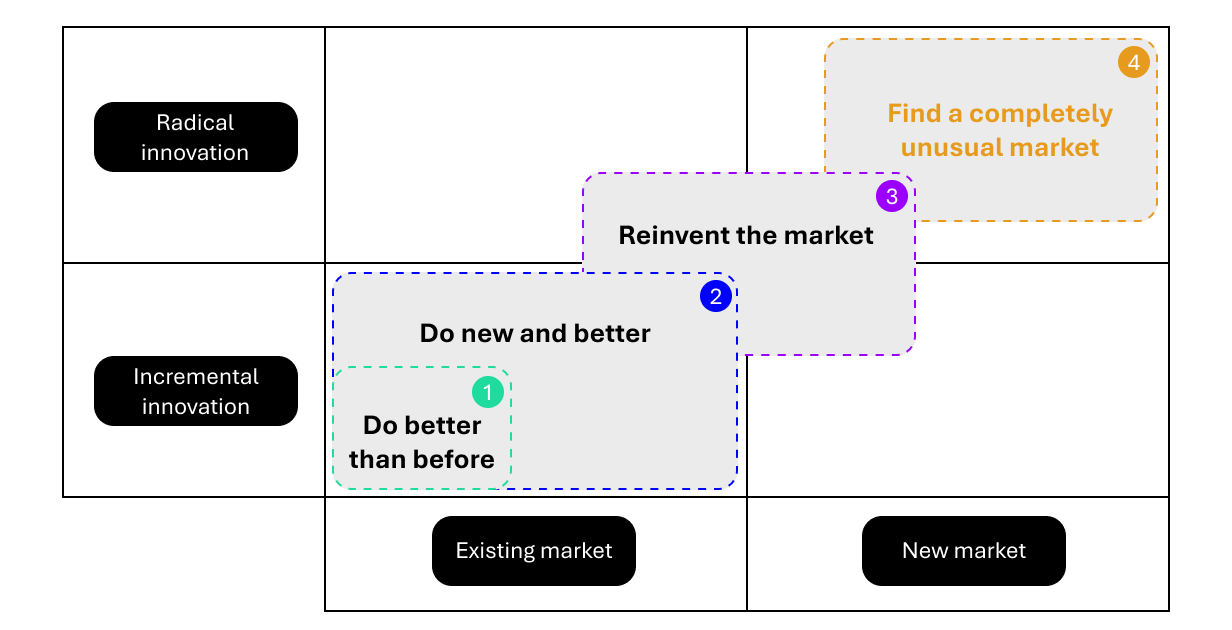
Boly et al., 2016 - Engineering of Innovation
Degree of innovation diagram (Iske, 2010) →
This is why most innovations in these sectors tend to remain incremental.
Design as a way to manage uncertainty
In my research, I’ve observed a persistent tension: the need for innovation vs. the fear of uncertainty.
Design can play a key role in managing this tension by making innovation tangible, testable, and contextualized.
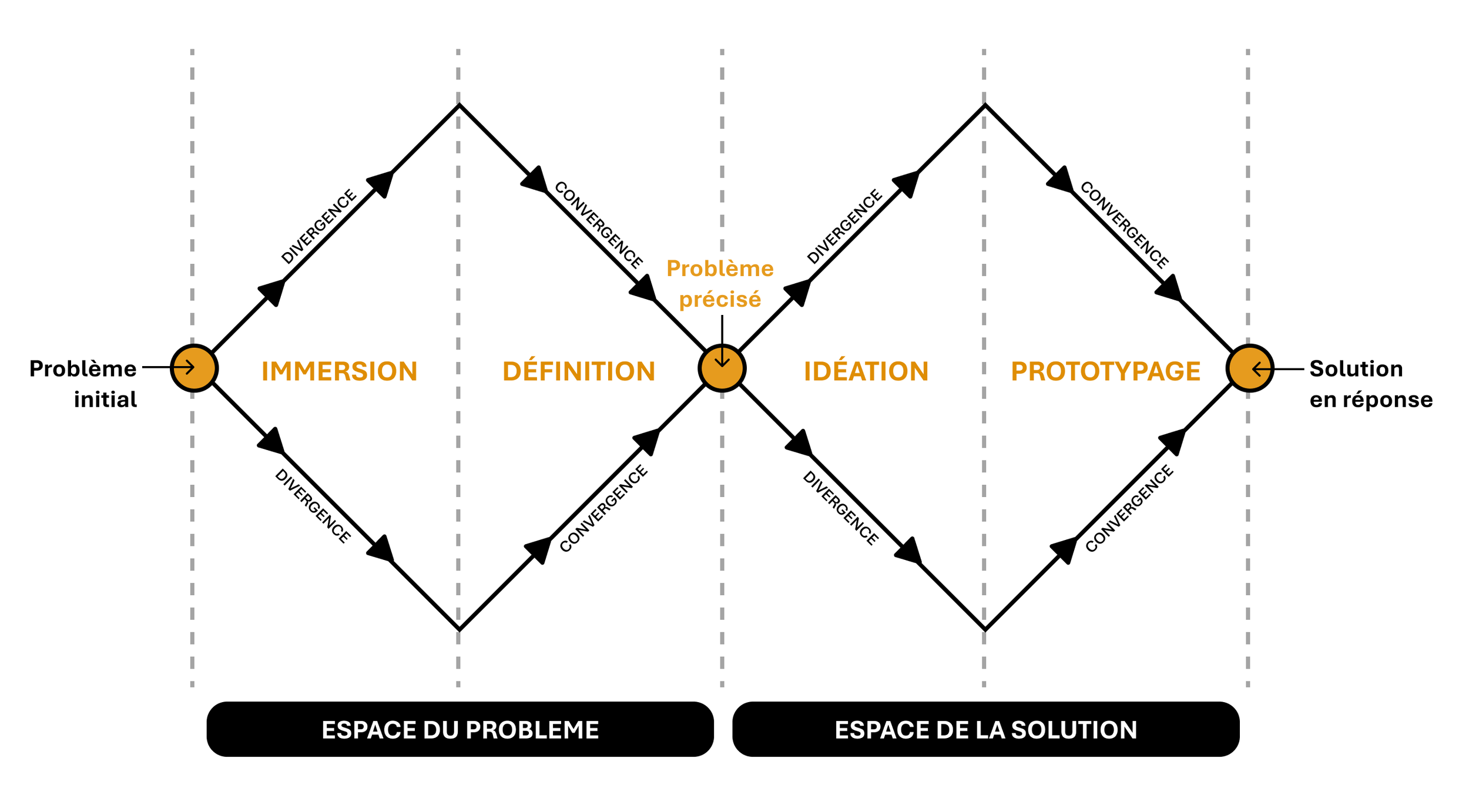
Iterative design thinking process
(British Design Council) →
Complementary approaches to foster safe innovation
To foster relevance, usability and innovation in complex systems,
I draw on multiple complementary approach
Human factor approach
Focused on reducing cognitive workload and improving safety by optimizing the interaction between humans, machines, and operational environments.
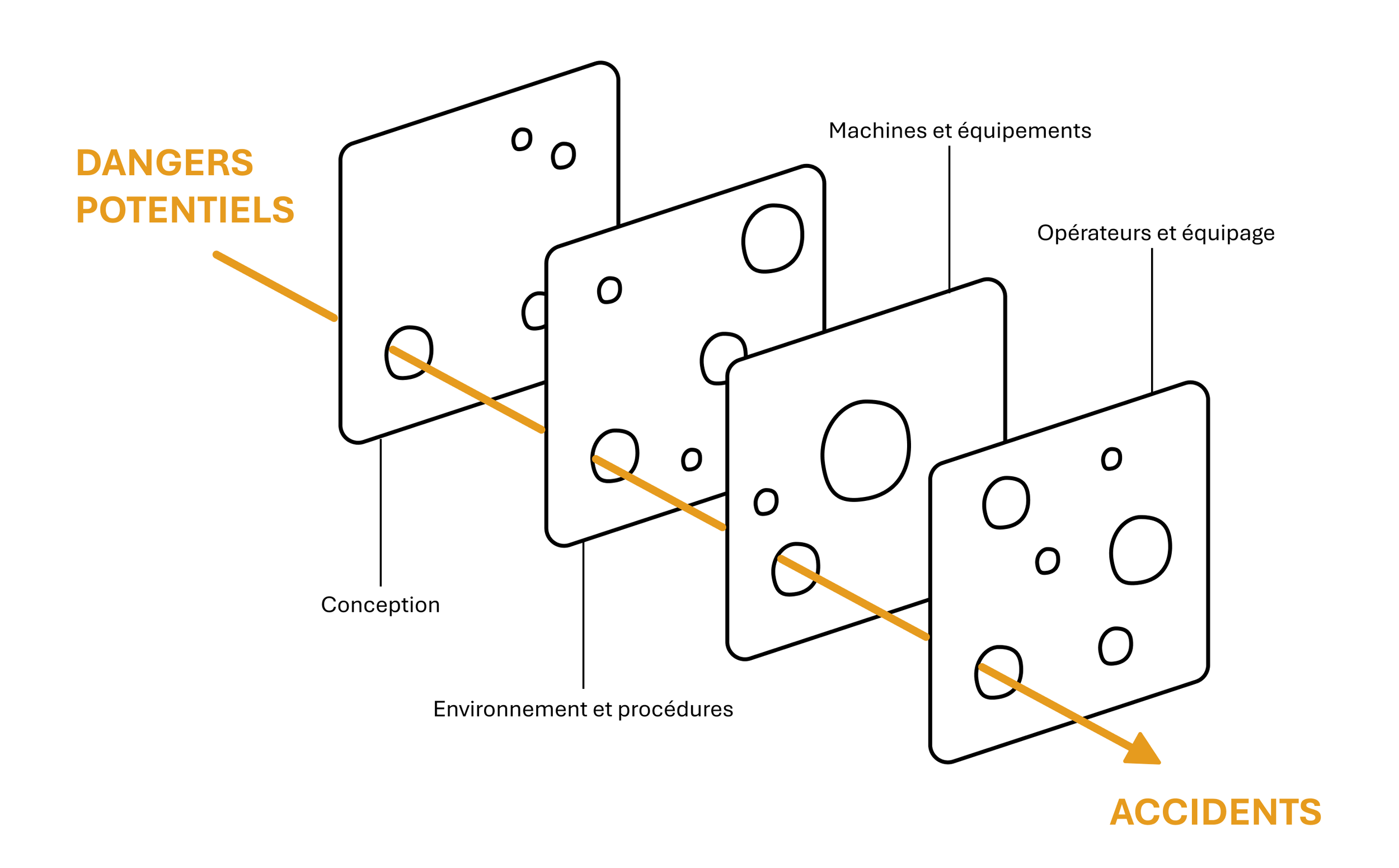
Swiss Cheese
(Reason, 2000) →
C.K Theory approach
Supports innovative thinking by mapping the co-evolution of concepts and knowledge, helping teams explore beyond dominant design paths.
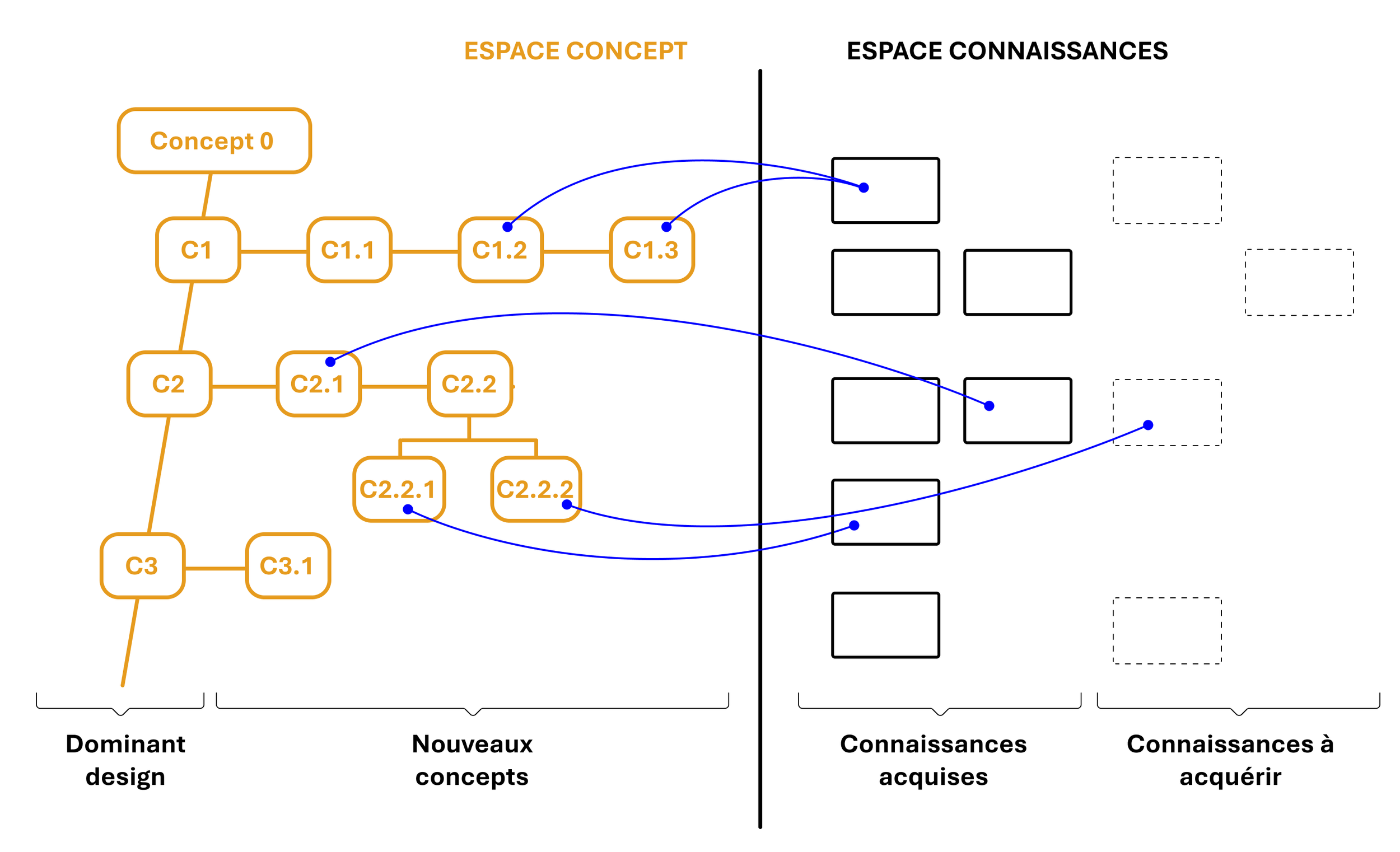
CK theory diagram
(Le Masson) →
Emotional approach
Engages users on visceral, behavioral, and reflective levels to enhance adoption, satisfaction, and long-term engagement.
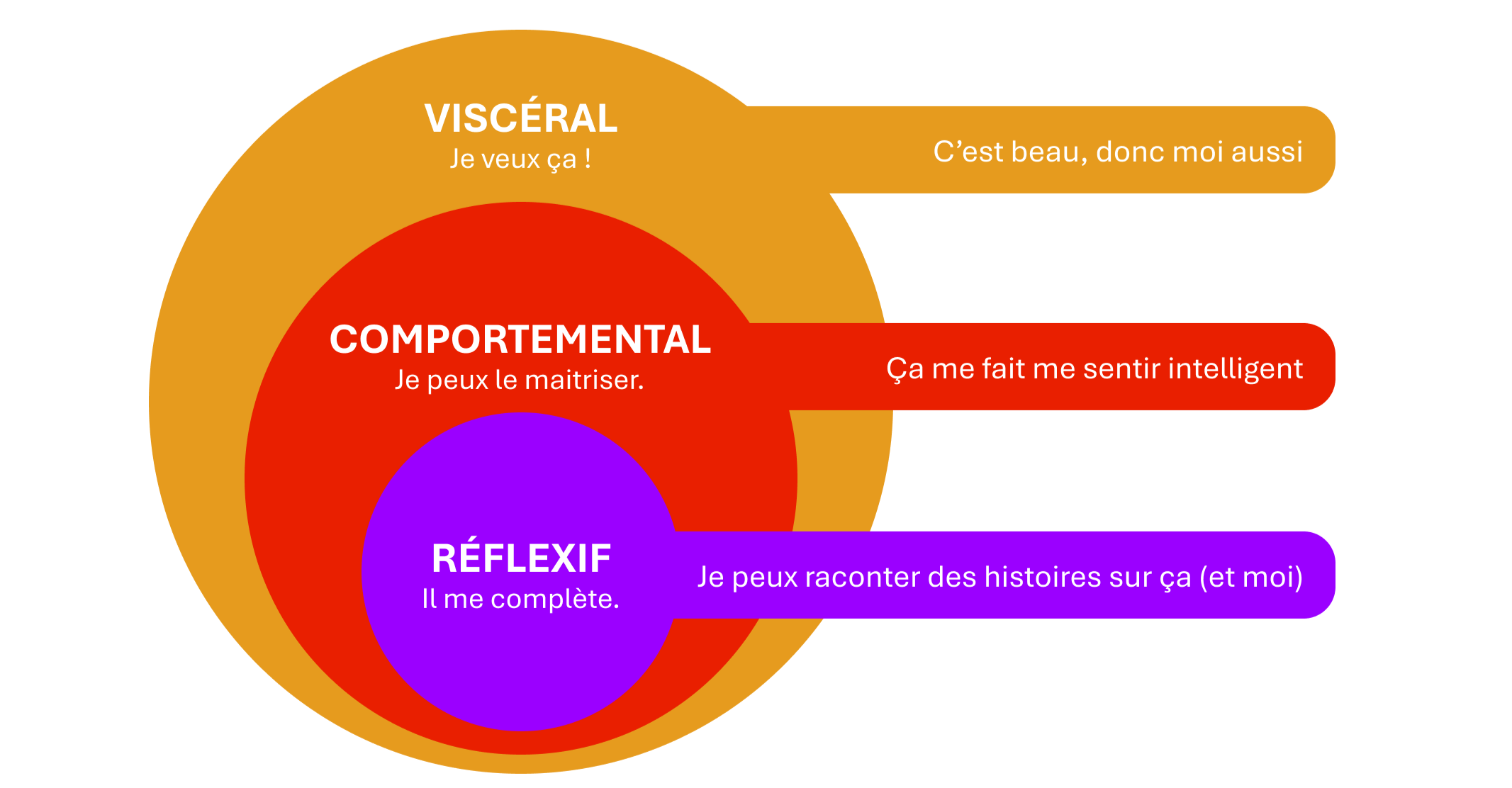
Emotional design
(Don Norman, 2004) →
What did I do during this research?
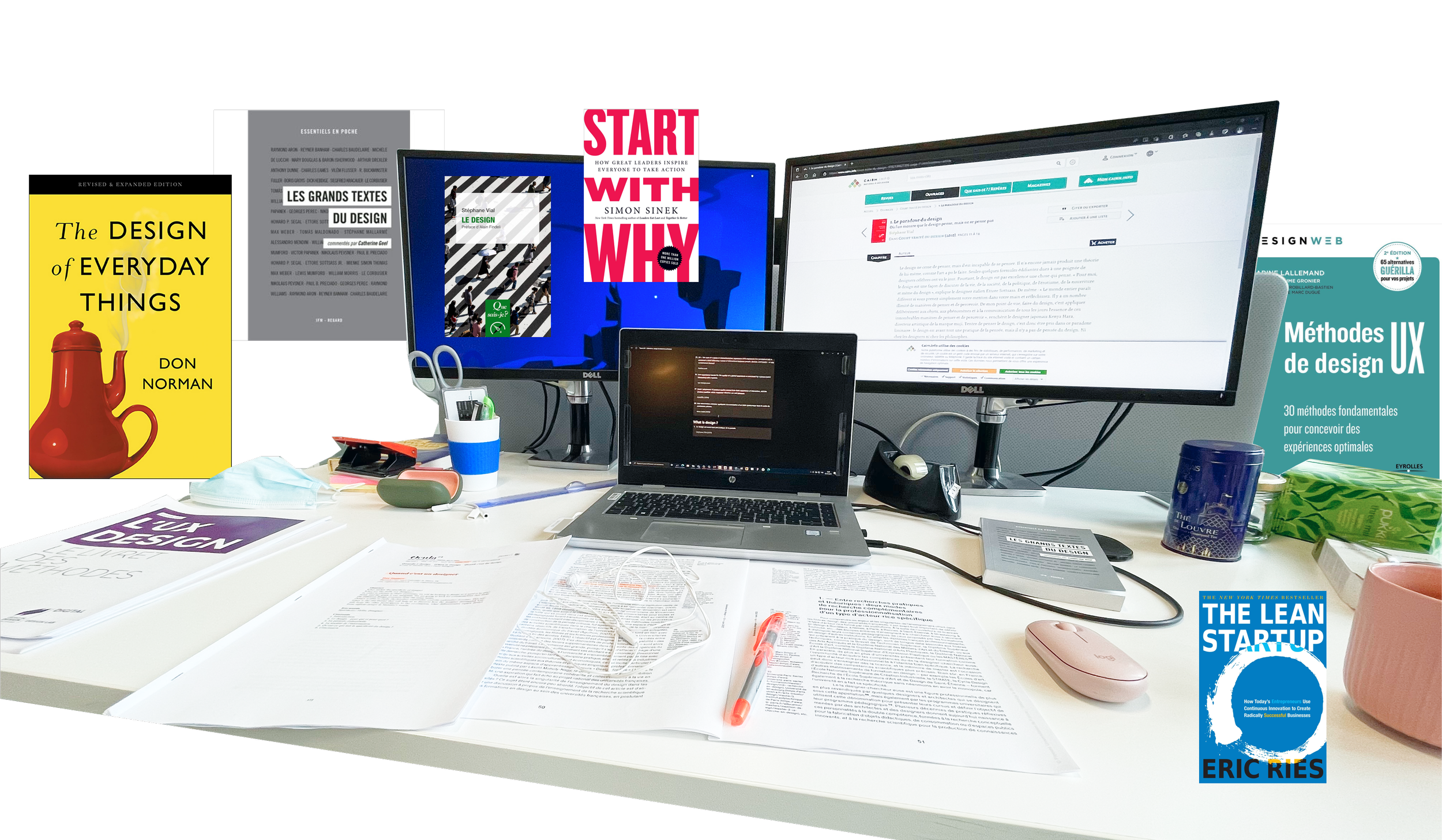
1. Explore the existing
Conducted a thorough academic and practical review of design and innovation processes in the aeronautics industry, identifying key challenges, opportunities, and gaps in current approaches.
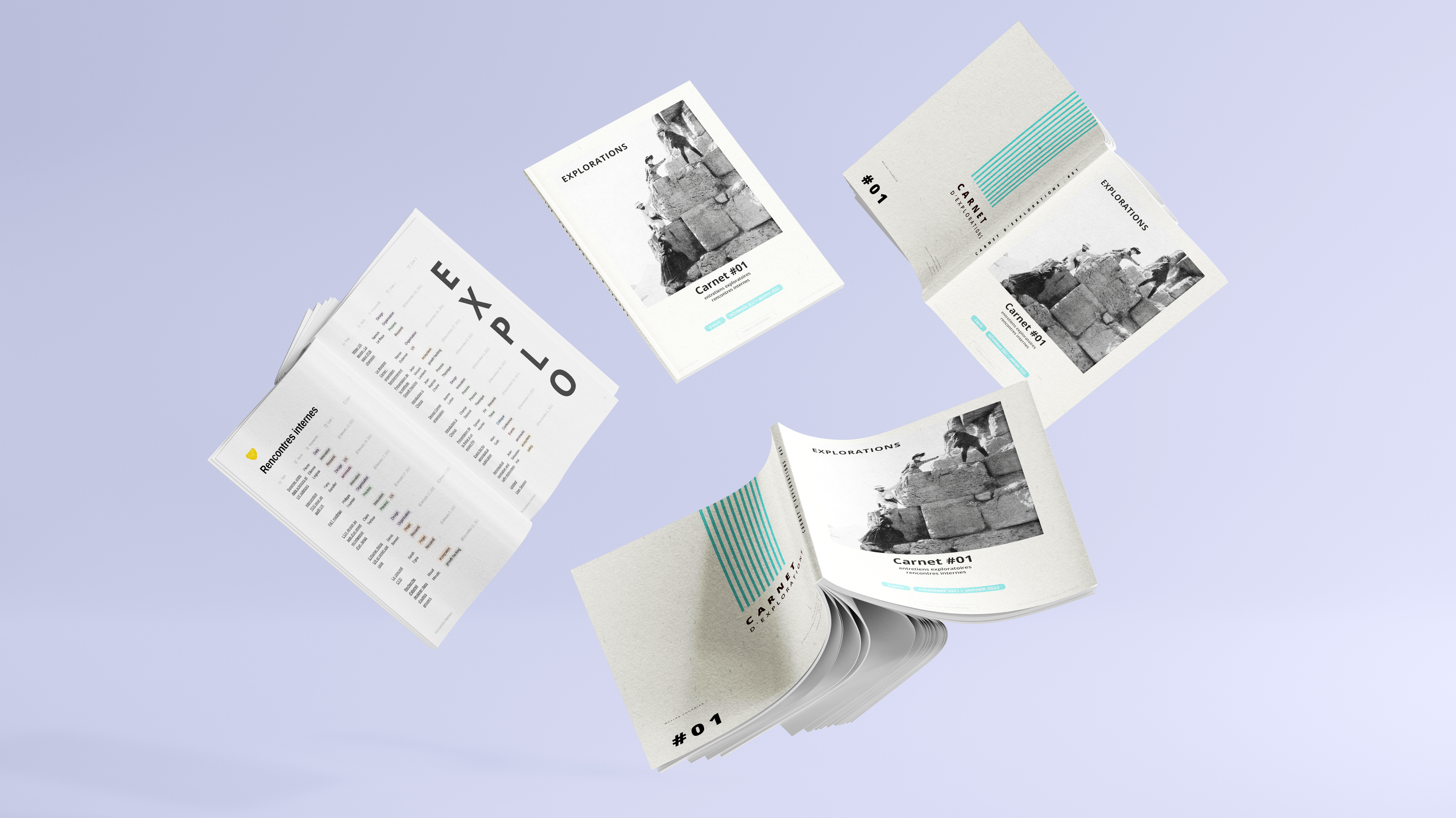
2. Observe real-project practices
Embedded within six innovation teams to analyze how they structure their projects, integrate design, and collaborate across disciplines.
I spent several months with each team, actively participating in design activities to understand their methods, tools, and organizational dynamics.
3. Build a practical framework
Based on these field insights, I developed a framework to support collaboration between design and engineering teams. The goal: enable the creation of systems that are technically robust, human-centered, and aligned with the constraints of critical and regulated environments.
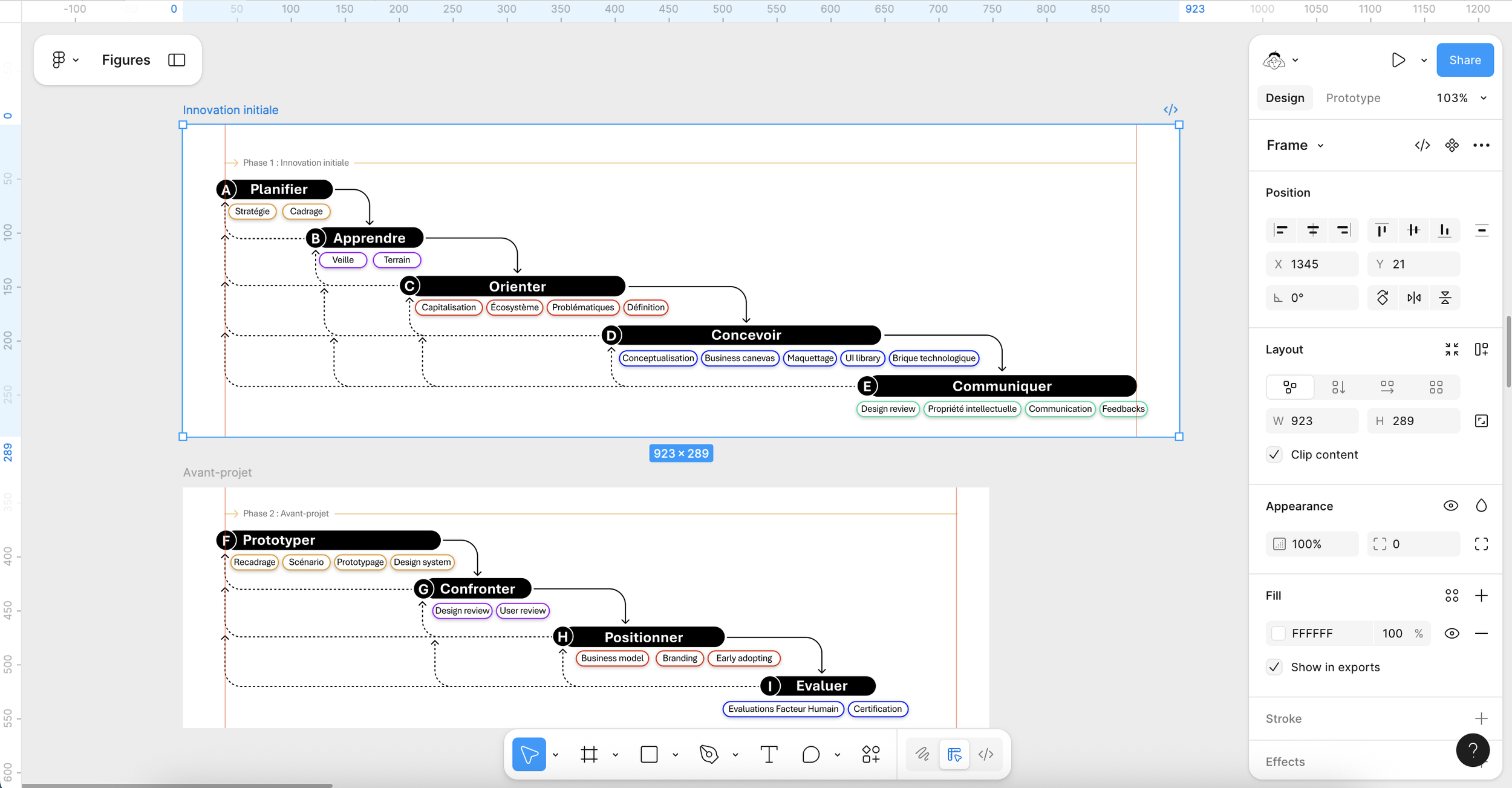
4. Apply and validate the framework
Tested the approach through a real-world use case, adapting it to the needs of a critical system, and demonstrating its relevance for complex, high-stakes product development.
Framework philosophy
Framework philosophy
What is the framework ?
This UX design framework was developed through field research in safety-critical and engineering-driven environments.
It bridges the gap between user-centered methods and industrial constraints, aligning with existing engineering processes.
The approach is modular, actionable, and scalable from early exploration to system validation.
Validated through real-world aerospace and defense projects, it helps teams make informed design decisions.
It empowers multidisciplinary collaboration without compromising technical rigor.
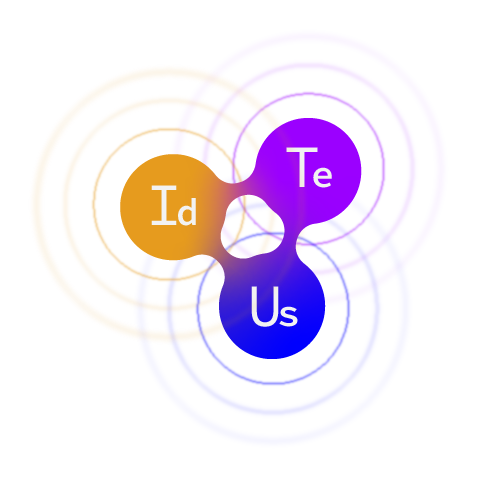
“ The framework is based on three major pillars ”
Usage
User and client experience
Focus on fieldwork, usage reality, and implementation context
Identity
Business and market
Focus on socio-economic context and market trends
Technologies
Manufacturing and engineering
Focus on technological opportunities and technical innovation
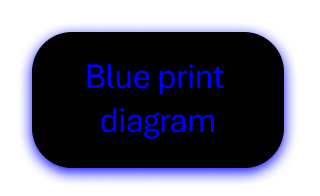
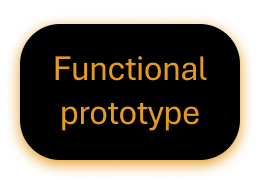
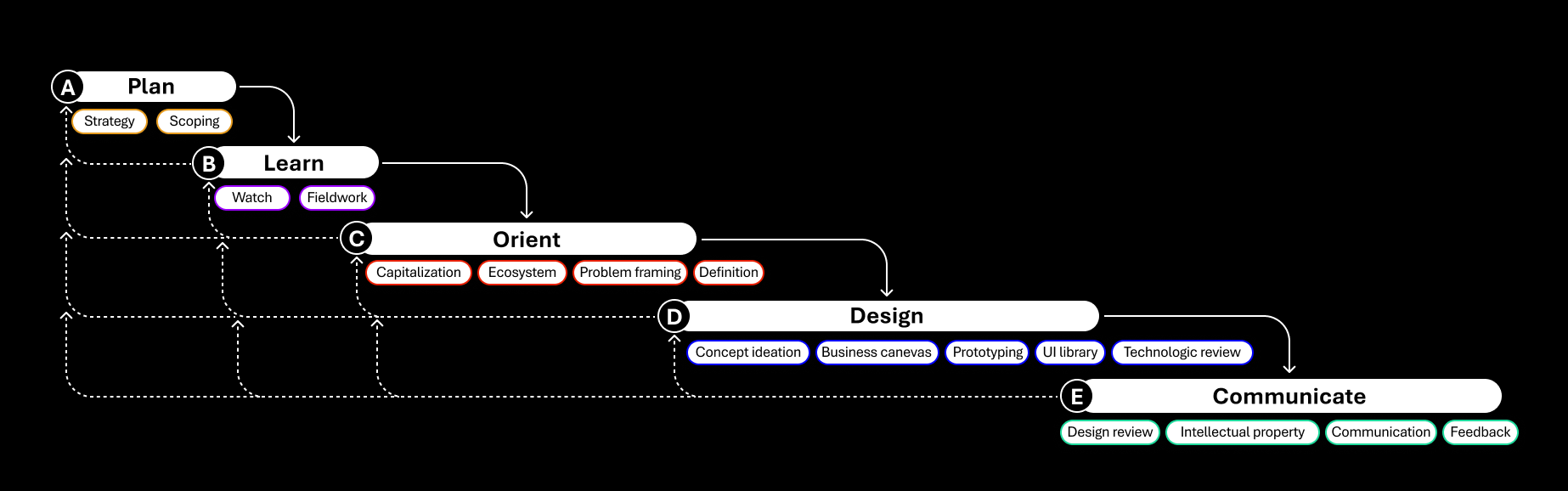
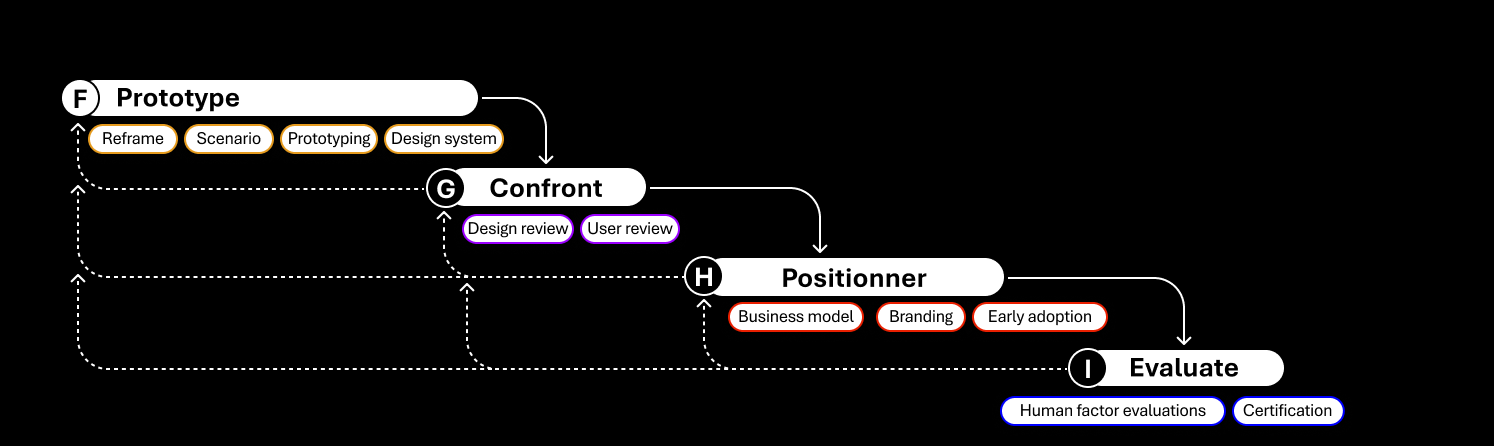
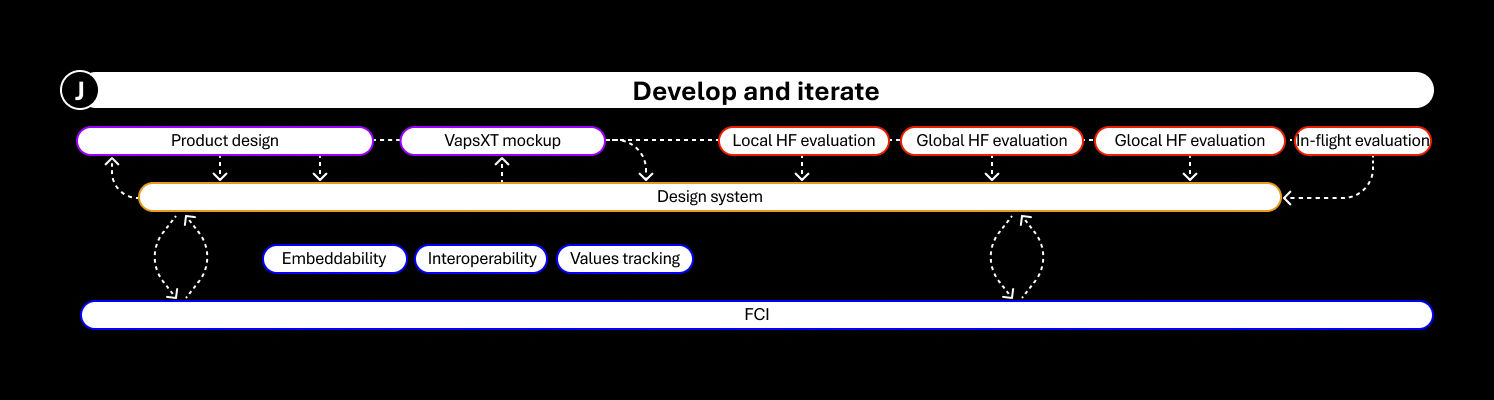
and is designed to guide innovation across all key stages:
“Positioning
real-world operation
as the centerpiece
of product.”


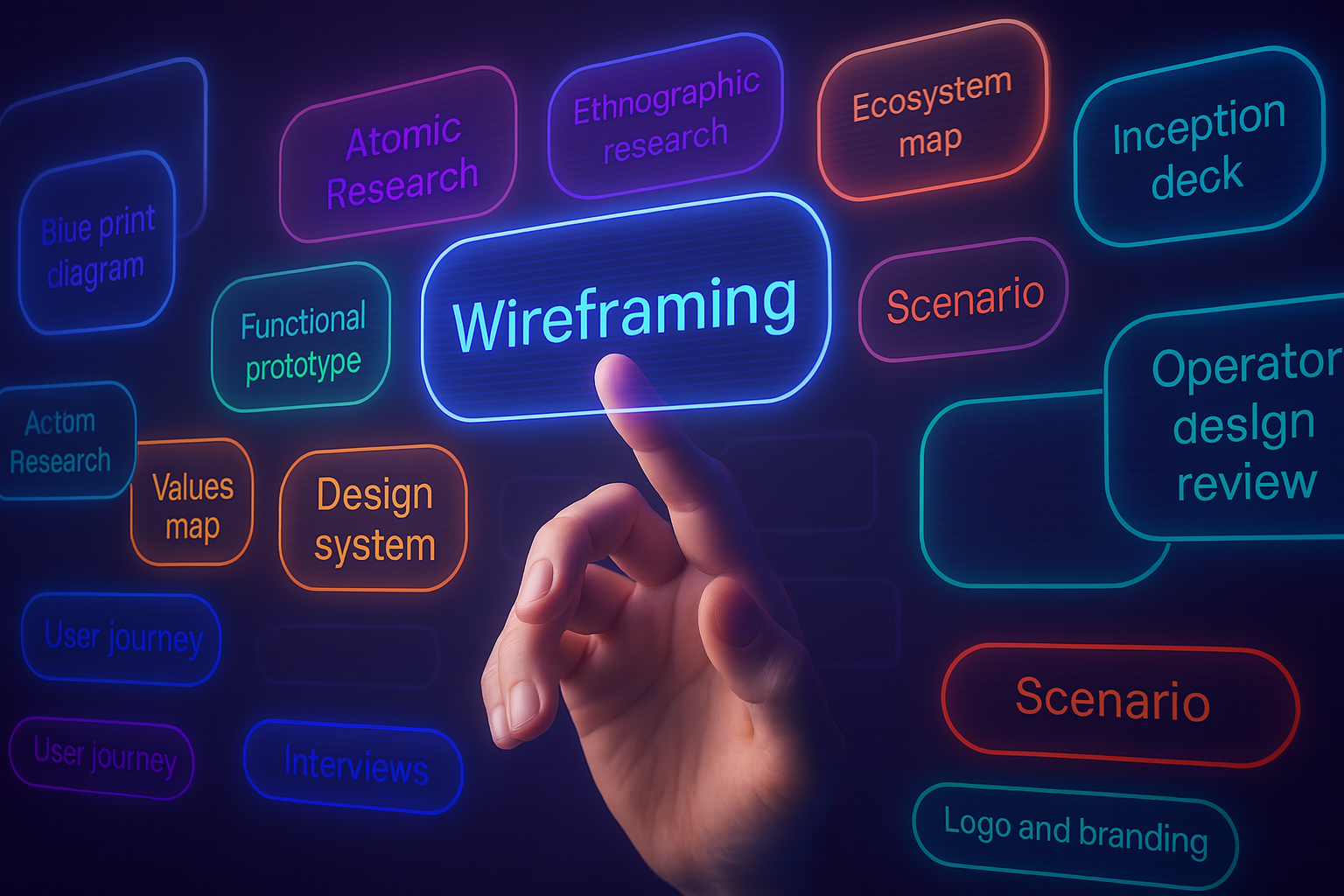
UX Methodologies
These methodologies have been adapted to meet the challenges of complex and safety-critical projects.





Make it happen.
Tools for critical UX
Great design work starts with choosing the right tools.
In highly constrained industries, tool selection must adapt to rigorous standards, certification processes, and technical compatibility.
Remote whiteboard for journey maps, design reviews, and system mapping.
Especially useful to create shared understanding between UX, ops, and engineering.

Collaborative UI design and prototyping.
Ideal for early-stage concepts and cross-team alignment — even when final delivery moves to certified environments.

UI development tool for ARINC 661 cockpit interfaces. Used in mission-critical avionics systems.

Lightweight knowledge base for collaborative research, specs, and team documentation.
Useful to track hypotheses, requirements, or decisions across siloed teams.
AI-powered tool to explore and synthesize design research.
Efficient for navigating large documentation sets or regulatory material.

People for critical UX
Great systems are built by the right people, right skills and right mindset.
Designing for high-stakes environments requires more than tools, it takes people skilled who understand complexity, collaboration, and consequences.





Operational expert
UX designer
Systems engineer
Safety Officer
Human factors
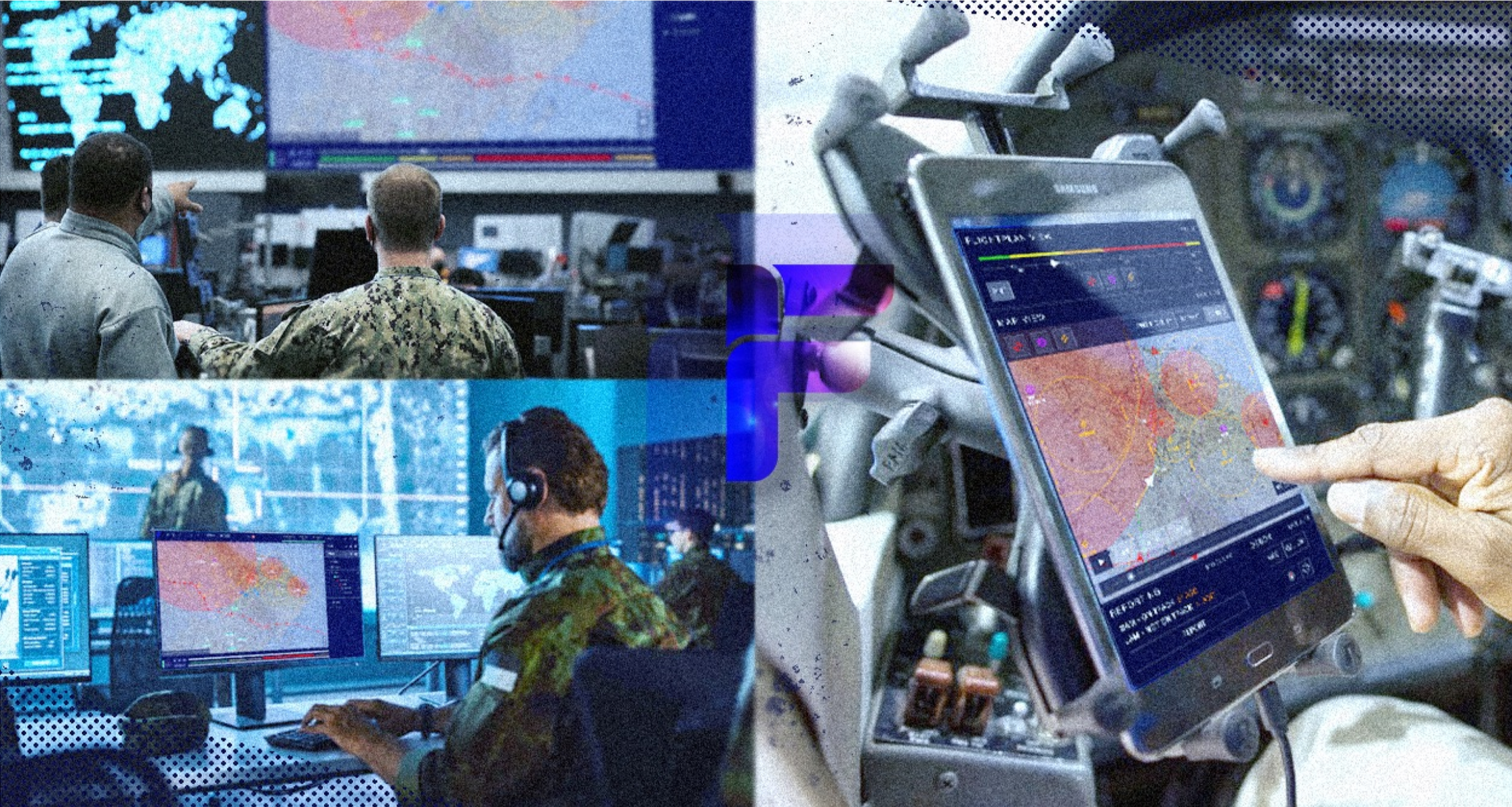
Usecase
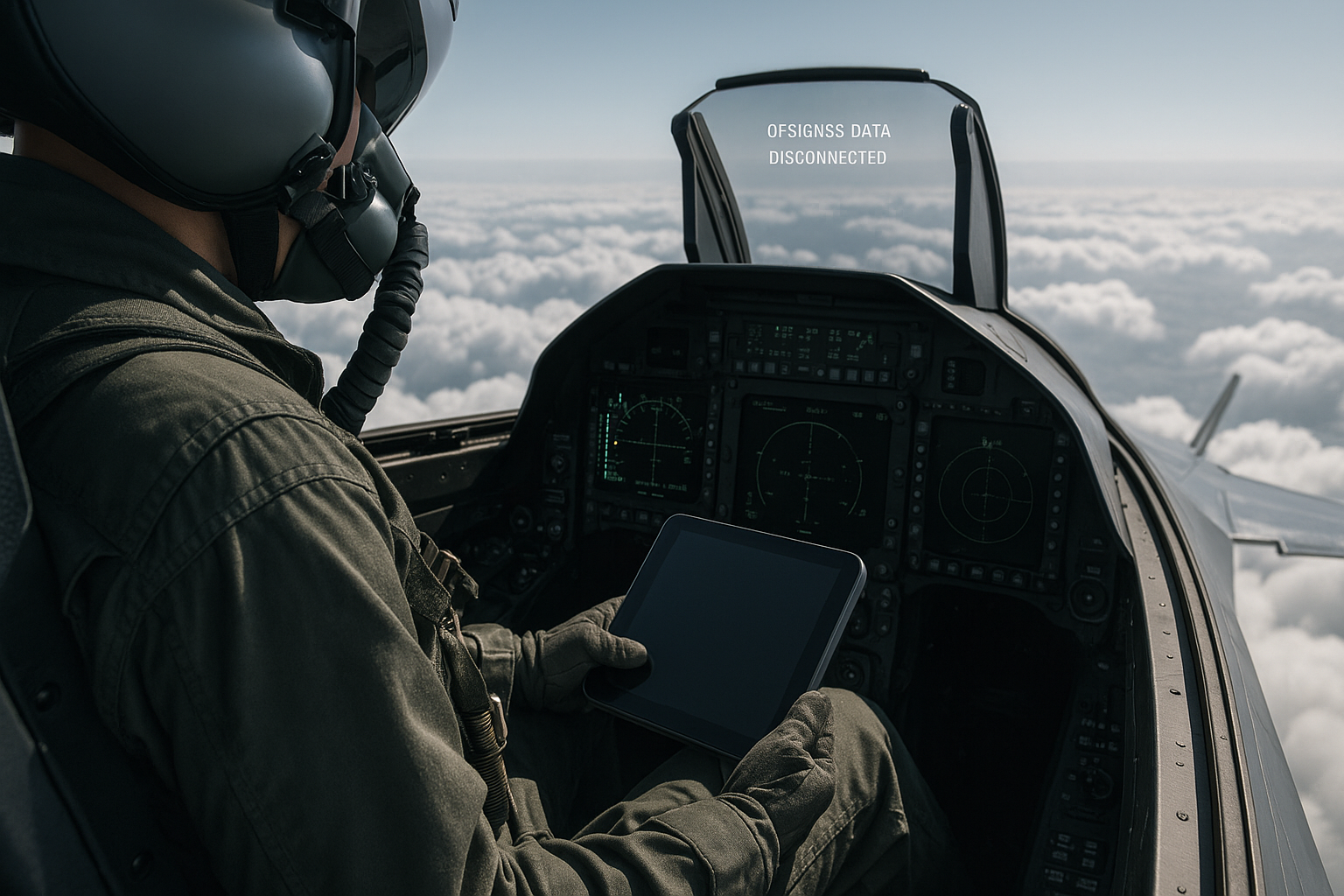
The framework was tested in real-life avionics development contexts, with multidisciplinary teams facing demanding ecosystem requirements, safety, and integration needs.
Through close collaboration with engineers, business leads and project leads, the design methods were adapted and validated on systems supporting mission-critical decision-making and human-machine coordination in dynamic flight environments.
Impact & Outcome
Created shared language
between design & engineering
Accelerated integration
of UX upstream
Recognized by jury,
academic peers and company
How to use it now
I now use this framework as a guide to frame, justify, and align UX initiatives in complex environments from mission interfaces to industrial tools.